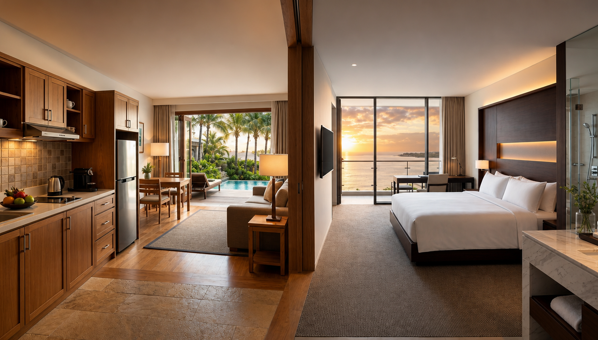
The debate between timeshares and hotels is rarely about one trip; it is about whether a pattern of travel justifies a long-term commitment. The strongest timeshare vs hotel stays are designed around the real value drivers behind nightly cost, space, flexibility, and how families actually vacation over time, which is why travelers should evaluate the full guest experience instead of focusing on one flashy selling point.
That broader lens is especially important now, because resort pricing often reflects branding and photography as much as it reflects substance. Guests who ask sharper questions before they book usually end up with better rooms, better pacing, fewer surprises, and a stay that feels genuinely worth the investment.
Start With the Full Cost, Not the Sales Pitch
The first thing smart travelers should evaluate is upfront purchase cost. In practical terms, that means looking beyond marketing language and asking how upfront purchase cost works alongside annual maintenance fees. When a resort gets those details right, guests feel the difference in comfort, convenience, and overall value from the moment they arrive.
The same principle applies to special assessments and the total number of nights you realistically use. These elements often determine whether a trip feels seamless or frustrating, especially when expectations are high and vacation time is limited. The best properties treat them as core parts of the experience rather than afterthoughts.
See also: Game Account Notes Documentation About kagski2 and Alerts Logs
Space and Kitchen Access Can Change Value Fast
One of the clearest separators between an average stay and an exceptional one is larger suites. It usually shows up in small moments rather than dramatic headlines, especially when paired with multiple bedrooms. That is why experienced travelers pay attention to the operational details that shape the day-to-day experience.
That is also why laundry access and meal savings from cooking some of the time deserve attention before booking. They affect atmosphere, pacing, and the overall sense of ease more than travelers often realize. When those details are handled well, the resort feels thoughtfully run rather than simply expensive.
Hotels Win on Flexibility More Often Than Buyers Admit
For most guests, last-minute trip changes ends up mattering more than expected. On paper it can sound secondary, but it becomes central once it intersects with trying new destinations. Resorts that treat both seriously tend to deliver a smoother, more confident, and more premium stay.
Travelers should weigh short stays together with no long-term obligation when priorities shift before making a final decision. They influence not just convenience, but also how memorable and satisfying the stay feels once the initial wow factor fades. Strong resorts build trust by getting these fundamentals right.
Timeshares Tend to Reward Consistent Habits
The first thing smart travelers should evaluate is returning to the same season every year. In practical terms, that means looking beyond marketing language and asking how returning to the same season every year works alongside family travel that benefits from more space. When a resort gets those details right, guests feel the difference in comfort, convenience, and overall value from the moment they arrive.
The same principle applies to longer stays and travelers who plan far ahead. These elements often determine whether a trip feels seamless or frustrating, especially when expectations are high and vacation time is limited. The best properties treat them as core parts of the experience rather than afterthoughts.
The Best Choice Depends on Personality as Much as Price
One of the clearest separators between an average stay and an exceptional one is predictable planners. It usually shows up in small moments rather than dramatic headlines, especially when paired with spontaneous travelers. That is why experienced travelers pay attention to the operational details that shape the day-to-day experience.
That is also why families with school calendars and people who value simplicity over ownership mechanics deserve attention before booking. They affect atmosphere, pacing, and the overall sense of ease more than travelers often realize. When those details are handled well, the resort feels thoughtfully run rather than simply expensive.
In the end, the best timeshare vs hotel stays decision is the one that matches how you actually travel. Marketing can start the conversation, but the finer points of design, flexibility, service, and daily usability are what determine whether a resort stay feels smooth, memorable, and genuinely valuable.
Ready to turn research into a better booking? Visit International Resort World to explore resort inspiration, practical travel guidance, and destination ideas tailored to your budget, style, and vacation goals.