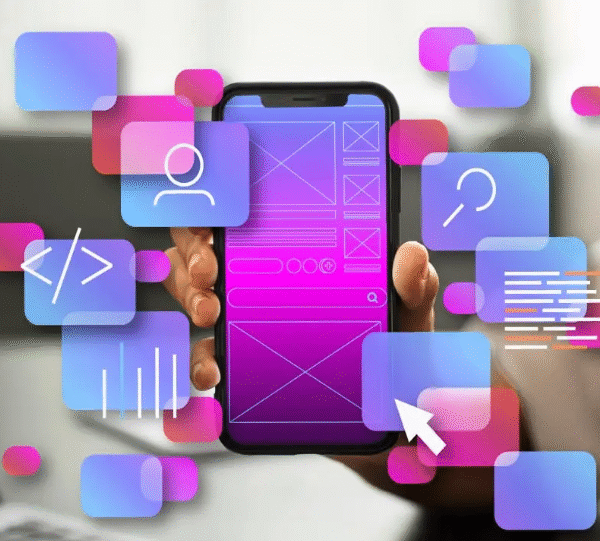
Mobile app development is an essential process for creating applications that operate on mobile platforms such as iOS and Android. It requires familiarity with specific programming languages and adherence to platform guidelines. The development journey is multi-faceted, encompassing stages like ideation and testing. Understanding key design principles can significantly impact user experience and retention. What are the critical components that developers must consider to succeed in this competitive landscape?
Understanding Mobile Platforms
As mobile technology continues to evolve, understanding mobile platforms becomes essential for developers aiming to create effective applications.
iOS platforms and Android platforms dominate the market, each presenting unique design guidelines and user experiences. Developers must adapt to these ecosystems, leveraging their strengths to enhance user engagement.
A clear comprehension of platform-specific features enables the creation of intuitive, high-functioning applications that resonate with users’ needs for freedom and flexibility.
See also: coursegagnante
Key Programming Languages for App Development
While various programming languages can be utilized for app development, a few stand out as particularly effective in meeting the demands of modern mobile applications.
Swift programming excels in iOS development, offering safety and performance.
Meanwhile, JavaScript frameworks provide flexibility and speed for cross-platform solutions.
Together, these languages empower developers to create dynamic, user-friendly applications that cater to diverse user needs.
Essential Design Principles
How do essential design principles influence user experience in mobile app development?
These principles guide the creation of intuitive user interfaces that enhance usability and accessibility.
By prioritizing clarity, consistency, and feedback, designers foster a seamless user experience.
Effective use of visual hierarchy and responsive design further empowers users, allowing them to navigate freely and efficiently, ultimately elevating overall satisfaction with the mobile application.
The App Development Process
The app development process unfolds through a series of structured stages that transform ideas into functional applications.
It begins with app ideation, where concepts are generated and refined. Following this, development teams create prototypes, leading to rigorous testing phases that ensure functionality and user satisfaction.
Feedback is incorporated to enhance the final product, empowering users with a seamless and intuitive experience.
Conclusion
In summary, embarking on mobile app development requires a solid grasp of diverse mobile platforms, proficiency in relevant programming languages, and adherence to essential design principles. As developers navigate the app development process from ideation to testing, they must ensure that user experience remains paramount. Ultimately, understanding these foundational elements will help developers stay ahead of the curve in a rapidly evolving market, allowing them to truly grasp the importance of creating apps that resonate with users.